

How to write a bleisure travel policy
Extending a long-haul business trip by a weekend ("bleisure") boosts employee retention and often saves money when a Saturday-night stay lowers Monday airfares — provided your policy draws crystal-clear lines around cost splits, insurance and personal days.
Six rules every bleisure policy should state in plain English
| Clause | Practical corporate standard |
|---|---|
| 1. Eligibility & approval | State that personal extensions require line-manager sign-off and confirmed annual leave days before ticketing. |
| 2. Airfare comparison rule | Company pays the cost of the direct business-dates return fare; any extra airfare caused by personal date shifts is paid by the employee (and if extending lowers airfare, company still approves net savings). |
| 3. Hotel & meal split | Company pays strictly for business nights and per diems; personal nights, companion costs and leisure activities are paid personally. |
| 4. Companion travel | Spouses or family joining on personal days never travel on company funds and must be invoiced separately. |
| 5. Insurance & duty of care | Specify clearly whether corporate travel medical insurance covers the personal extension or requires personal add-on cover. |
| 6. Visa compliance | Confirm the traveller’s visa category permits tourism alongside business activities without violating host immigration rules. |
Keep personal folios strictly off company tax invoices
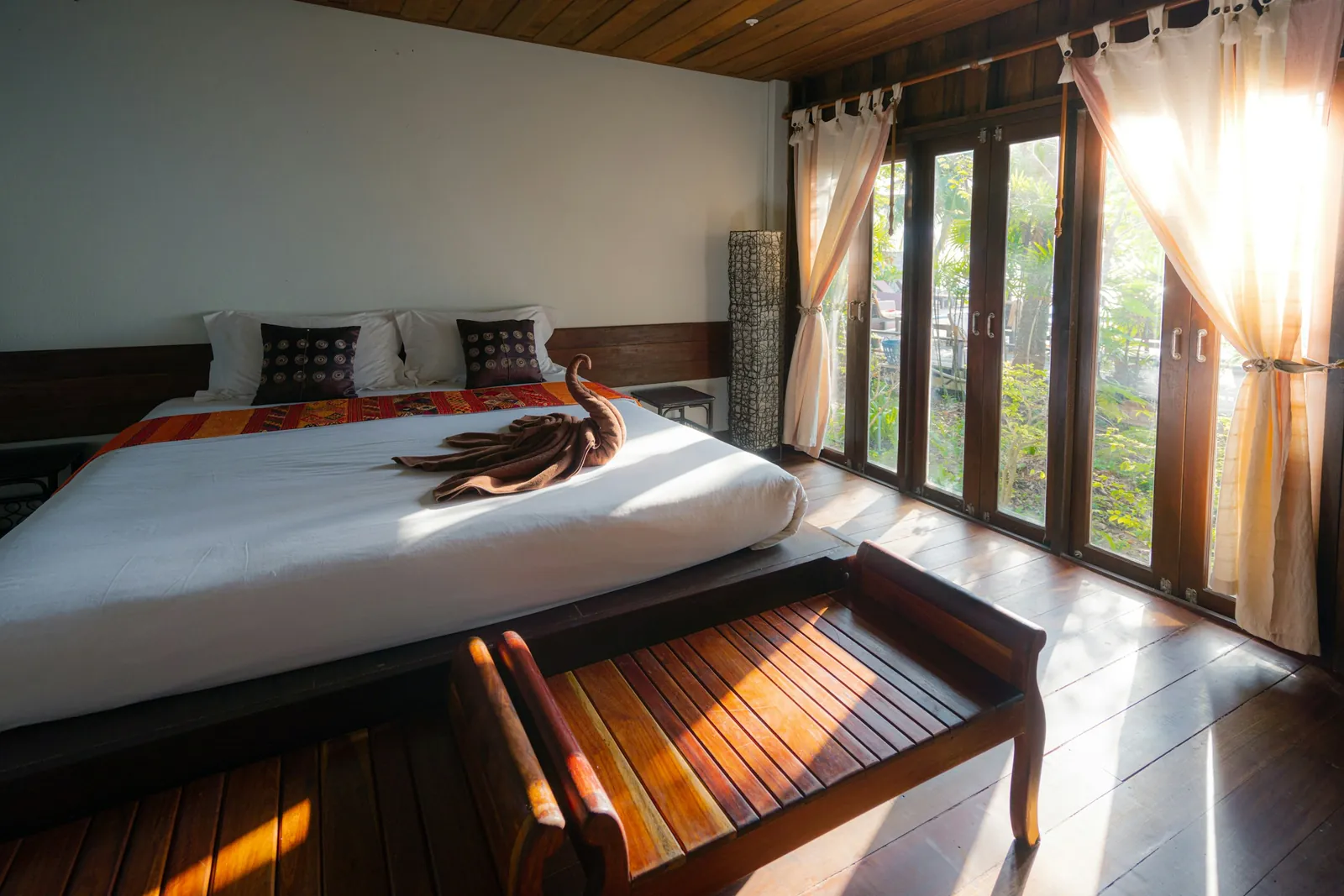
Tax auditors dislike mixed invoices where personal weekend resort nights or companion meals sit inside a corporate travel folio. Requiring hotels to split bills at check-in — billing business nights to the company and personal nights directly to the employee’s personal card — eliminates month-end expense headaches.
Similarly, recording a baseline airfare quote at the moment of booking documents immediately that the company paid zero incremental airfare for the employee’s personal extension.
- Capture a timestamped business-dates fare screenshot/quote before shifting return dates
- Require split hotel folios so corporate tax/VAT records stay clean
- Clarify emergency-support and insurance boundaries for personal leisure days
Why transparent bleisure rules beat informal favours
When companies have no written bleisure clause, frequent travellers quietly negotiate ad-hoc extensions with sympathetic managers while other teams are told no. A short, five-paragraph policy treats everyone consistently and keeps finance and HR fully protected.
Bleisure travel policy questions
Who pays if shifting the return flight for a weekend extension costs more?
Standard policy benchmarks the direct business-only return fare at booking time and requires the traveller to pay any positive fare difference.
Does corporate travel insurance cover personal days added onto a business trip?
Policies vary widely — check your insurer’s exact wording on incidental leisure extensions (often capped at a set number of days) and state it clearly in HR policy.
Can a traveller bring a family member on a bleisure trip?
Yes if permitted by company policy, provided all companion flights, extra room charges and meals are booked and paid personally.
Can Go Global handle split corporate/personal bookings cleanly?
Yes. We document the benchmark business fare and arrange separate hotel billing for personal extension nights.
Adding clear bleisure guidelines to your corporate travel policy?
Share your itinerary, policy requirements or group size. Our team replies with routes, visa guidance and a structured quote backed by 100,000+ trips managed and 24/7 traveller support. Email insights@goglobal.pk or WhatsApp 0320-4111222.